
Addiction is a serious problem in this country, one that often goes untreated and unrecognized yet represents a leading cause of preventable deaths and disability. Substance abuse, whether it’s nicotine, alcohol, prescription opioids, or other drugs, costs the United States more than $700 billion annually in relation to crime, lost work productivity and health care.
The training program here at the University of Arkansas for Medical Sciences seeks to develop a next generation of addiction researchers who will generate new and innovative approaches to preventing and treating addiction, with the knowledge that addiction is a multifaceted problem that demands input from multiple scientific disciplines. To this goal, our program has assembled a cohort of experienced researchers and mentors from UAMS who provide research training opportunities reflecting the full spectrum of basic, clinical and translation addiction research. These mentors engage an interdisciplinary group of bright, adventurous young trainees who seek career outcomes in broad and diverse areas of impact and workforce settings related to curbing the profound public health problems posed by drug addiction. Research training opportunities span the translational spectrum, from understanding molecular and behavioral mechanisms to develop novel addiction medications to the science of implementation of prevention and treatment strategies in real world community settings. Our program’s trainees are highly interactive, diverse, and fluent in the neurobiological, social and clinical aspects of addiction. Our program’s governance and oversight committees are strong assets and committed to the individual success of each trainee.
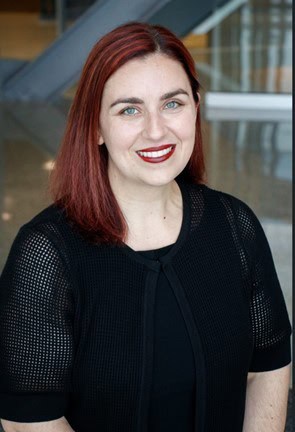
I am proud to be a part of this training program and to work with early career investigators that I think will become integral leaders in the field of addiction research, and I believe that solving the addiction problem demands a next generation of dedicated researchers who are interdisciplinary, collaborative, innovative, and informed. I am convinced that the UAMS Addiction Research Training Program is on the right path to helping find such solutions. Addiction affects everyone, one way or another, and our team and trainees are committed to contributing to a future world less burdened by the illness of addiction.
Sincerely,
Melissa Zielinski, Ph.D.
